
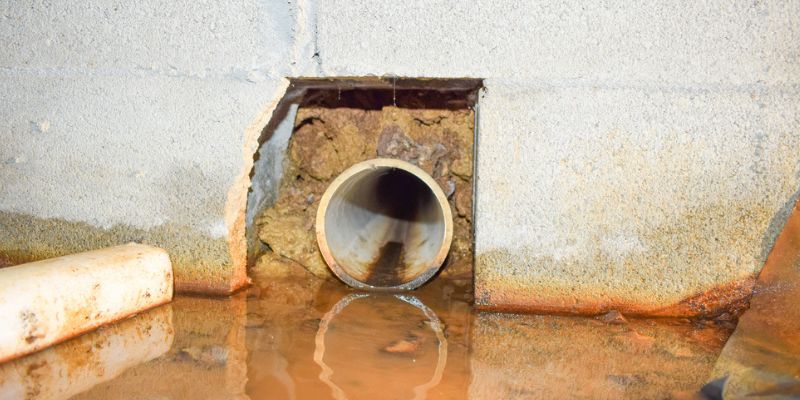
Charleston’s rainy season can transform a peaceful Lowcountry home into a battleground against moisture. With water in crawl spaces after heavy rain becoming increasingly common, homeowners are asking how to protect their homes from long-term crawl space flooding and damage. A wet crawl space is more than a minor nuisance. It risks structural integrity, indoor air quality, and even your family’s health.
If your crawl space has standing water or excessive humidity after storms, it’s time to take control. In this guide, we’ll explore the causes, signs, and dangers of flooded crawl spaces and provide trusted solutions to keep your Charleston home safe and dry.
Why Charleston Crawl Spaces Are So Vulnerable
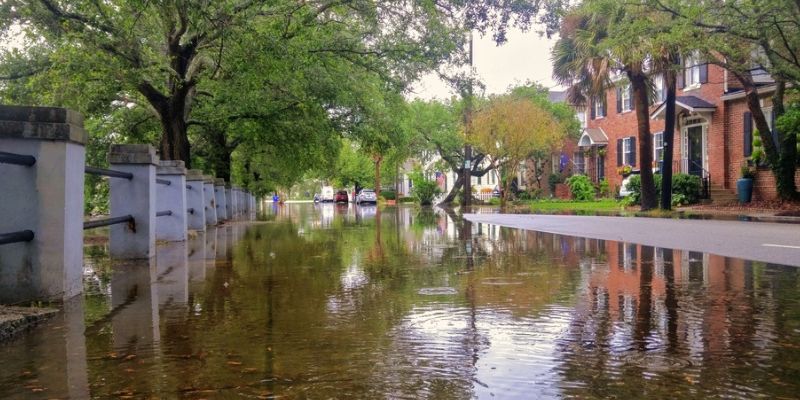
Charleston’s low elevation, clay-heavy soil, and high humidity create the perfect storm for moisture-related problems. Most homes in this region are built with crawl spaces to avoid full basements and to better withstand local conditions. But during heavy rains, water collects quickly under the house, often with nowhere to go.
Flooding and oversaturation can happen quickly in neighborhoods with high water tables. Improper grading, clogged downspouts, poor crawl space ventilation, and aging vapor barriers all contribute to water pooling below the home. Without drainage solutions, sump pumps, or vapor barriers, it only takes one intense storm to leave you with a flooded crawl space.
Signs of a Wet Crawl Space
Even if you don’t enter your crawl space regularly, your house may still be telling you something is wrong. Be on the lookout for the following signs of water damage or moisture buildup:
- Standing water under the house
- High indoor humidity or condensation on windows
- A musty or earthy smell coming from floors or vents
- Sagging insulation or wood rot on joists and beams
- Visible mold growth on subflooring or walls
- Pest infestations like termites, ants, or rodents
- Rusting HVAC components or ductwork in the crawl space
Spotting water in the crawl space after heavy rain is not just inconvenient. It is a warning that your home needs immediate attention.
The Hidden Dangers of Crawl Space Flooding
Letting a flooded crawl space go untreated can create long-term damage that impacts your home’s safety, efficiency, and value. The most common dangers of crawl space flooding include:
- Mold and mildew that trigger allergies and respiratory problems
- Wood rot that compromises structural integrity
- Damage to ductwork and HVAC systems
- Termites, rodents, and insect infestations
- Insulation failure and rising utility bills
- Foundation shifts or cracks
Charleston homeowners should take these risks seriously, especially with hurricane season bringing more frequent and severe storms.
What Causes Crawl Space Flooding in Charleston?
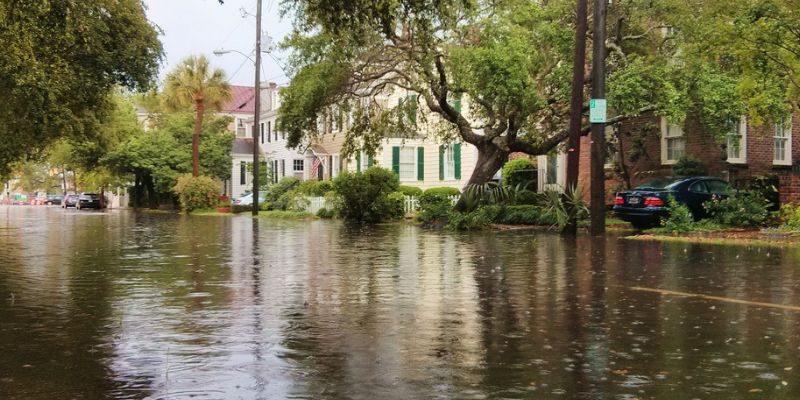
Understanding what causes moisture in your crawl space is key to choosing the right solution. Some common contributors include:
- Poor yard grading that directs water toward your home
- Overflowing or broken gutters and downspouts
- Damaged vapor barriers that no longer protect from soil moisture
- Inadequate drainage systems or sump pump failures
- Crawl space vents allow humid air and rain
- Cracks in the foundation or open gaps
- High groundwater levels during storms
These issues are especially problematic in Charleston due to the region’s natural geography and frequent rainfall.
Long-Term Solutions to Keep Your Crawl Space Dry
If you are struggling with a wet crawl space, there are several proven solutions available to protect your home.
Improve Drainage and Grading
Ensure your property is sloped away from your foundation and that downspouts extend far enough to divert water. Consider installing French drains or other underground systems to carry excess water away from the home.
Seal the Crawl Space
A vapor barrier keeps moisture from entering your crawl space from the ground. This step is essential in areas with persistent humidity.
Add a Sump Pump
A sump pump automatically removes collected water from the crawl space and prevents flooding during storms. Make sure it includes a battery backup for power outages.
Dehumidify the Area
A crawl space dehumidifier helps control humidity levels, stopping mold before it starts. This is crucial in Charleston’s damp climate.
Encapsulate the Crawl Space
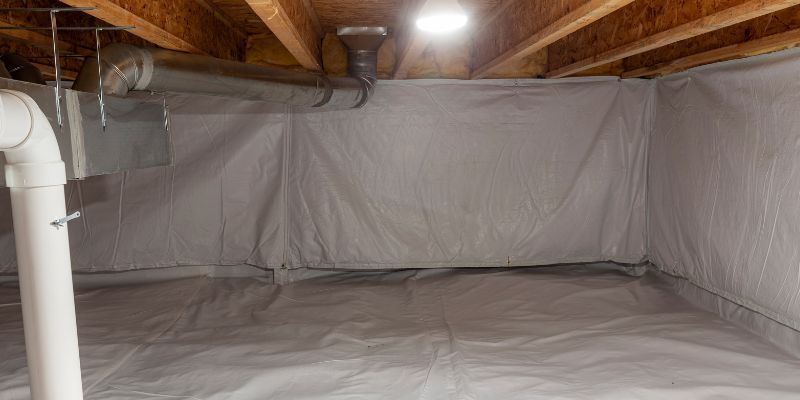
Encapsulation is the most comprehensive solution. It includes sealing the space, installing a vapor barrier, adding insulation, dehumidification, and drainage systems. Encapsulation is a long-term investment in protecting your home.
Why Encapsulation Works for Charleston Homes
Crawl space encapsulation provides multiple benefits in flood-prone and humid areas like Charleston. It reduces moisture levels, improves indoor air quality, prevents pest access, and stabilizes your home’s environment. Encapsulation also extends the life of HVAC systems and insulation by preventing them from absorbing excess moisture. It is a powerful defense against mold, mildew, and structural decay.
Prevent Wet Crawl Spaces Before They Start
Many homeowners in Charleston wait until they see standing water or smell mold before taking action. By then, damage may already be underway. The key to preventing a wet crawl space is taking proactive steps now, before hurricane season or prolonged rains.
A Safer, Dryer Foundation Starts Now
If you have noticed signs of a wet crawl space or worry about water in the crawl space after heavy rain, now is the time to act. Crawl space flooding is not something to ignore. It threatens your home’s value, health, and safety.
Crawlspace ER understands Charleston’s unique challenges, including heavy rainfall, humid summers, and unstable soil conditions. We provide expert crawl space inspections, vapor barrier installation, drainage solutions, and full encapsulation services tailored to local homes. For custom protection and lasting peace of mind, call 843-543-2200 or visit CrawlspaceER.com for your no-charge inspection today.
Recent Comments